Steve Kavanagh on Governance in Elite Sport
Download MP3How should a board govern an organisation that its community believes it owns?
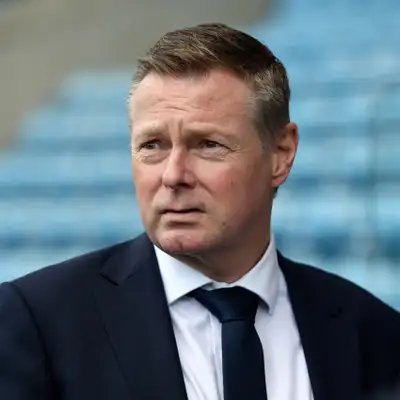
In this episode of The Boardroom Path, host Ralph Grayson speaks with Steve Kavanagh, Head of gunnercooke Sport and former chief executive of Millwall Football Club, about what good governance in elite sport actually looks like. Steve draws on 25 years across Charlton Athletic, Southend United and Millwall, plus a term as an elected director of the English Football League, to explain why football is a business with the same metrics and duties as any other, and why emotion makes it far harder to run.
The conversation is timely. Championship clubs recorded combined pre-tax losses of around £317m in their most recent published accounts, as reported by BBC Sport, and the Independent Football Regulator published its final licensing rules and guidance on 1 July 2026. Steve sets out how boards can hold owners to account, separate fandom from judgement, protect the club as a community asset, and prepare for a licensing regime that raises the governance floor across the pyramid.
In this episode of The Boardroom Path, host Ralph Grayson speaks with Steve Kavanagh, Head of gunnercooke Sport and former chief executive of Millwall Football Club, about what good governance in elite sport actually looks like. Steve draws on 25 years across Charlton Athletic, Southend United and Millwall, plus a term as an elected director of the English Football League, to explain why football is a business with the same metrics and duties as any other, and why emotion makes it far harder to run.
The conversation is timely. Championship clubs recorded combined pre-tax losses of around £317m in their most recent published accounts, as reported by BBC Sport, and the Independent Football Regulator published its final licensing rules and guidance on 1 July 2026. Steve sets out how boards can hold owners to account, separate fandom from judgement, protect the club as a community asset, and prepare for a licensing regime that raises the governance floor across the pyramid.
- (00:00) - Welcome to The Boardroom Path
- (01:38) - Governance in Elite Sport
- (04:05) - From Chartered Accountant to the Football Boardroom
- (08:39) - What Good Governance Looks Like in Sport
- (12:06) - Financial Sustainability and Holding Owners to Account
- (14:14) - Protecting the Club as a Community Asset
- (16:54) - Passion, Emotion and Clear-Headed Judgement
- (20:42) - Reining In the Executive Chair
- (26:36) - Advice for Aspiring Sports Board Members
- (30:49) - Lessons from the EFL, the FA and the Regulator
- (35:46) - The Regulator and Football's Funding Problem
- (41:12) - Media Rights and Global Investment
Steve Kavanagh: Steve Kavanagh is Head of gunnercooke Sport and an Operating Partner at the international commercial law firm gunnercooke, where he launched the firm's specialist sport division in February 2025. A chartered accountant who trained at BDO, he spent 25 years in professional football, joining Charlton Athletic as finance director before serving as chief executive of Southend United and then Millwall, where he led the club for eight years from 2016 and oversaw promotion to the Championship in his first season. Alongside his executive roles he was an elected non-executive director on the English Football League board and a member of the FA Council, the Professional Game Board and vice chairman of the FA Cup Committee, contributing to the reforms that led to the creation of the game's independent regulator. He now advises clubs, athletes and sports businesses on governance, commercial strategy, compliance and disputes across football, rugby, cricket, tennis, boxing and the NFL.
Ralph Grayson: Ralph Grayson is a Partner in the Board Practice at Sainty Hird & Partners, bringing extensive experience in board-level recruitment, assessment, and advisory services. With a deep understanding of the corporate governance landscape, Ralph specialises in guiding senior executives as they transition into impactful boardroom careers. His thoughtful approach, combined with a passion for developing effective leaders, enables him to facilitate insightful conversations that equip aspiring and newly appointed Non-Executive Directors with the tools they need to succeed. Through The Boardroom Path, Ralph leverages his extensive professional network and expertise to empower listeners on their journey into the boardroom.
Episode Insights:
- Governance in sport is less about compliance language and more about good practice, good metrics, good communication and enough experience around the board table to cover every part of the club.
- On-field ambition and off-field sustainability are one problem, not two. The board's real work sits in the bridge between them, where overspending on wages turns competitive hope into financial fragility.
- Treating the club as a community asset gives the board a durable platform. Community trust survives relegation, and it is what a club grows back from when results turn.
- Emotion belongs in sport, but boards need directors who can separate support from judgement, resist getting too close to the manager and challenge decisions made in the heat of competition.
- Keeping a good owner in place for the long term is itself a governance outcome. Boards that can pull a chair back protect the club from the cycle of chasing a new investor every few years.
Action Points:
- Separate the fan from the director: Before joining a sports board, write down why you want the role and what you will contribute beyond enthusiasm. Ask whether you would still be effective in a relegation season. Boards need directors who can hold judgement steady when everyone around them is emotionally invested.
- Stress test the funding model, not just the budget: Ask management to show how the club would operate if player sales dried up for a season. Championship clubs lost around £317m in their most recent published accounts, as reported by BBC Sport. Treat trading income as volatile rather than recurring.
- Make the owner explain the strategy: Require a written statement of the ownership's ambition, the spend it implies and the commitment behind it if performance disappoints. Minute the answer. A confident owner will welcome the discipline, and the club is protected if circumstances change.
- Prepare early for licensing: The Independent Football Regulator published its final licensing rules and guidance on 1 July 2026. Review your board papers, minutes and liquidity evidence now. Clubs that formalise oversight before deadlines will spend less time and money proving it later.
- Audit the skills you are missing: Map your board against financial acumen, corporate governance, community engagement and commercial rights expertise. Recruit against the gaps rather than the network. Build development pathways so a wider pool becomes genuinely appointable over the next few seasons.
The Boardroom Path is the essential podcast for aspiring and newly appointed Non-Executive Directors (NEDs) navigating the journey from executive leadership to the boardroom. Hosted by Ralph Grayson, partner at Sainty Hird & Partners, each episode offers insightful conversations with industry leaders, seasoned board directors, and governance experts. Our guests share practical strategies, valuable perspectives, and actionable advice on how to effectively transition into board roles, maximise your impact, and build a rewarding NED career.
Subscribe now, and take your first confident step along The Boardroom Path. Learn more about Sainty Hird & Partners at saintyhird.com.
The Boardroom Path is produced by Story Ninety-Four in Oxford, UK.
The Boardroom Path is produced by Story Ninety-Four in Oxford, UK.
Creators and Guests